
Lawns That Establish Without Drainage Problems
Topsoil Delivery & Installation in Clarks Grove for properties preparing new lawns, repairing grade issues, and improving soil structure for planting
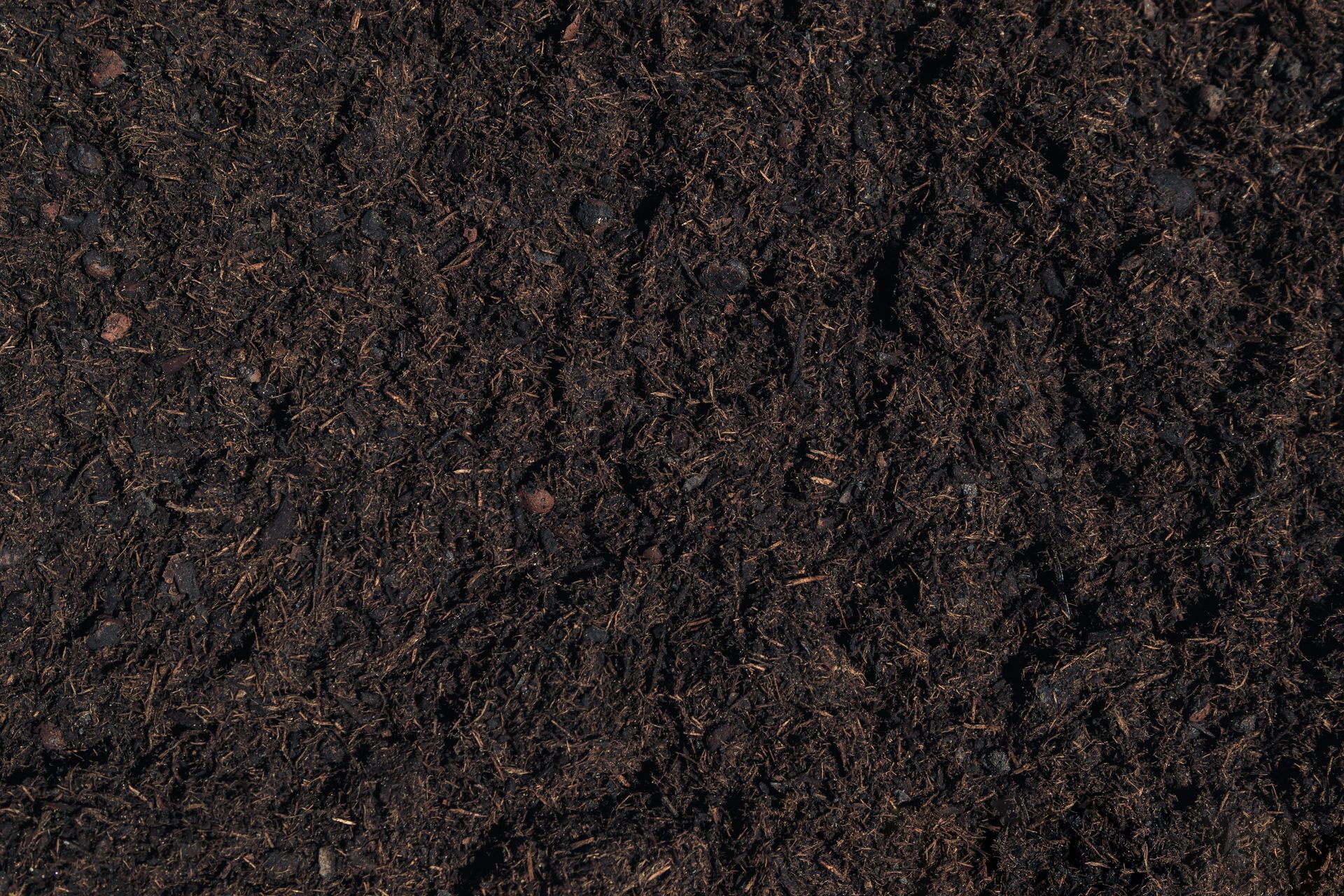
Minnesota topsoil quality varies widely depending on screening process and organic content, which directly affects seed germination rates and how quickly grass roots penetrate the soil profile. Peterson Excavating LLC delivers premium screened topsoil to residential and commercial properties in Clarks Grove, removing rocks, roots, and debris that interfere with lawn installation and garden bed preparation. The soil arrives clean and nutrient-rich, suitable for establishing new lawns where existing soil has been removed during construction or where compacted subsoil prevents healthy turf growth.
Delivery options include bulk volumes for large properties and developments, with soil spreading and grading services that eliminate the manual labor of moving and leveling multiple yards of material. Topsoil placement affects final drainage patterns—improper grading creates low areas where water collects and grass drowns out, while correctly sloped installation directs runoff away from foundations and hardscapes. Installation services ensure proper depth and grade before seeding or sod installation begins.
Schedule topsoil delivery to align with your lawn installation or garden bed construction timeline.
What Changes After Soil Spreading and Grading Completes
Screened topsoil provides a planting medium free of large stones and construction debris, which matters because rocks interfere with root growth and create uneven mowing surfaces once grass establishes. The screening process also removes weed seeds and perennial roots that would otherwise germinate and compete with new turf. Grading services adjust soil elevation to create positive drainage away from structures, preventing water from pooling against foundations or flowing toward basements during heavy rain events common in southern Minnesota.
After installation, you'll see a smooth, uniformly deep soil layer ready for seeding or sod, without the rocks, dips, and compacted areas that cause patchy grass establishment. The lawn surface sheds water instead of holding it, which reduces standing water that kills grass and breeds mosquitoes. Root systems penetrate easily through loose, amended soil rather than struggling through compacted clay subsoil, resulting in faster turf establishment and better drought tolerance once grass matures.
The service includes options for soil depth based on your project—thin applications for overseeding and grade adjustments, or deeper placements for new lawn installations over disturbed subsoil. Commercial projects and residential developments benefit from coordinated delivery schedules that supply multiple work zones without interrupting grading operations or creating site access conflicts.
What Property Owners Usually Ask
Clarks Grove properties built on clay soils often require imported topsoil to establish lawns, since native subsoil lacks the organic content and drainage characteristics that support healthy turf.
What depth of topsoil is needed for new lawn installation?
Most new lawns require four to six inches of topsoil over prepared subsoil, providing enough depth for root establishment while maintaining proper grade and drainage slopes across the property.
How does screening affect topsoil quality compared to unprocessed fill?
Screened topsoil passes through mesh that removes stones larger than half an inch and separates out roots and debris, creating a uniform planting medium, while unprocessed fill contains rocks and clay clumps that interfere with seed-to-soil contact and root growth.
When is the best time to install topsoil for lawn establishment?
Spring and late summer installations allow grass seed to germinate in moderate temperatures with consistent moisture, while mid-summer heat and dry conditions slow establishment and increase irrigation requirements.
What grading considerations prevent drainage problems after installation?
Topsoil should slope away from foundations at a minimum two-percent grade, directing water toward yard areas or drainage structures rather than allowing runoff to flow back toward the house.
How does spreading service differ from basic delivery?
Spreading includes grading equipment that levels and compacts soil to specified depths and slopes, while basic delivery drops material in a pile that requires manual distribution with rakes and wheelbarrows.
Peterson Excavating LLC provides soil suited for healthy lawn growth and garden bed preparation. Arrange a site evaluation to determine topsoil volume and grading requirements for your property.